How to Take Care of a Horse for Beginners
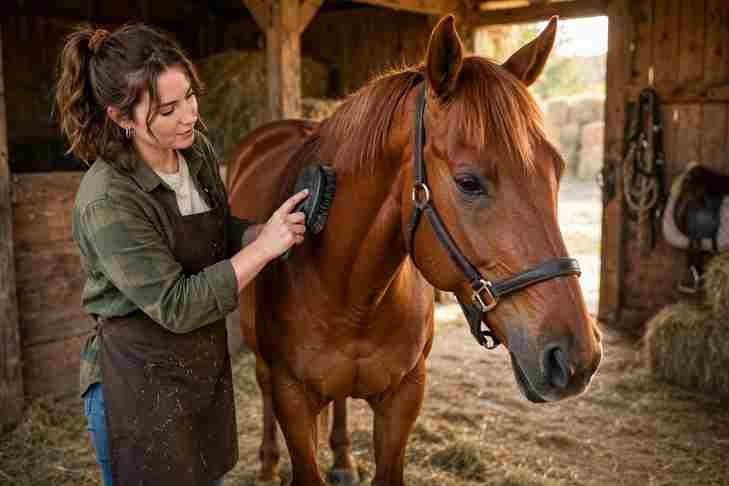
Bringing home your first horse is exciting, and it's also a bit overwhelming once the reality sets in. Feeding schedules, stable cleaning, hoof care, vet visits — it's a lot more than most people expect from a dog or a cat.
This guide walks through what a real beginner horse care guide should cover: daily routines, housing, nutrition, health, and grooming, without the fluff. If you're weighing a horse against a smaller animal, our cow care tips for beginners guide covers a similarly land-heavy commitment and might help you compare. You can also check the full range of guides on Pet Age Calculator if you're planning a multi-species setup.
Essential Horse Management Practices Before You Bring a Horse Home
Before you even look at a horse, figure out where it will live and who will help you when you're stuck. Horses are herd animals, so a lone horse with no companion often develops stress behaviors like weaving or fence-pacing.
Line up a vet and a farrier in your area before purchase, not after. Rural areas sometimes have a waitlist of weeks for a first appointment, and you don't want to be scrambling during an emergency.
Budget realistically. Feed, farrier visits, vet care, bedding, and insurance add up fast — expect ongoing monthly costs even in a quiet month with no emergencies. Ask an experienced owner near you for a rough number before committing.
Daily Routine for Horse Care
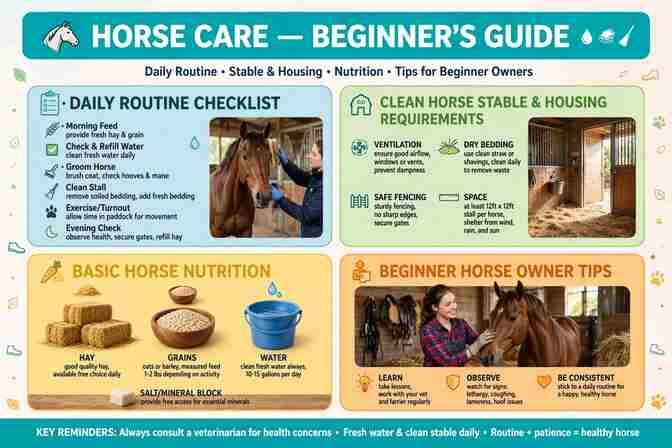
Horses thrive on consistency. A workable daily routine for horse care usually looks something like this:
- Morning: Check water, refill hay, visually scan the horse for cuts, swelling, or lameness.
- Midday: Turnout or paddock time if the horse isn't already out, plus a water check.
- Afternoon: Groom, pick out hooves, exercise or ride if that's part of your plan.
- Evening: Final feed, refill water, muck out the stall, do one last health check before dark.
Skipping the evening check is a common beginner mistake. A colic episode or a caught leg can happen overnight, and catching it early often makes the difference between a quick fix and a real emergency.
Horse Stable and Housing Requirements
A single horse generally needs a stall of at least 12x12 feet, though bigger breeds do better with more room. Ventilation matters as much as size — a stuffy, damp stable is a fast route to respiratory problems.
Bedding should be dry and changed regularly. Straw and wood shavings both work, and each has trade-offs: straw is cheaper but dustier, shavings are more absorbent but cost more.
Fencing needs to be sturdy with no sharp edges or loose wire. Horses lean, rub, and occasionally test fences, so weak points get found eventually. Check gates and latches monthly, since a horse that learns to open one will keep trying.
Basic Horse Nutrition and Feeding Tips
Hay should make up most of a horse's diet — good-quality hay, offered free-choice or split across at least two feedings a day. Grain isn't always necessary for a horse that isn't working hard, but many owners add a small ration for extra calories or as a way to deliver supplements.
| Feed Type | Rough Daily Amount | Notes |
|---|---|---|
| Hay | 1.5-2% of body weight | Split into 2-3 feedings, not one big pile |
| Grain/Concentrate | As needed, if at all | Only for working horses or hard keepers |
| Water | 10-15 gallons per day | Clean and unfrozen at all times |
| Salt/Mineral Block | Free access | Helps regulate electrolytes, especially in summer |
Sudden feed changes upset a horse's digestive system, which is more sensitive than people expect. Introduce any new hay batch or grain over 7-10 days rather than switching overnight.
Want to understand your pet even better?
Explore more science-backed pet guides and tools on Pet Age Calculator.
Visit Pet Age CalculatorEquine Health Care for Beginners
Vaccinations, deworming, and dental checks form the backbone of equine health care for beginners. Most vets recommend a core vaccine schedule at least once a year, with a spring and fall booster common in many regions.
Teeth get overlooked often. Horses' teeth grow continuously and can develop sharp points that make chewing painful — an annual dental float with your vet or an equine dentist usually keeps this in check.
Learn what normal looks like for your horse: resting heart rate, gum color, manure consistency. That baseline makes it much easier to spot something wrong before it becomes serious. Colic, in particular, can escalate within hours, so don't wait until morning if a horse is pawing, rolling, or refusing feed.
Horse Grooming and Hoof Maintenance Basics
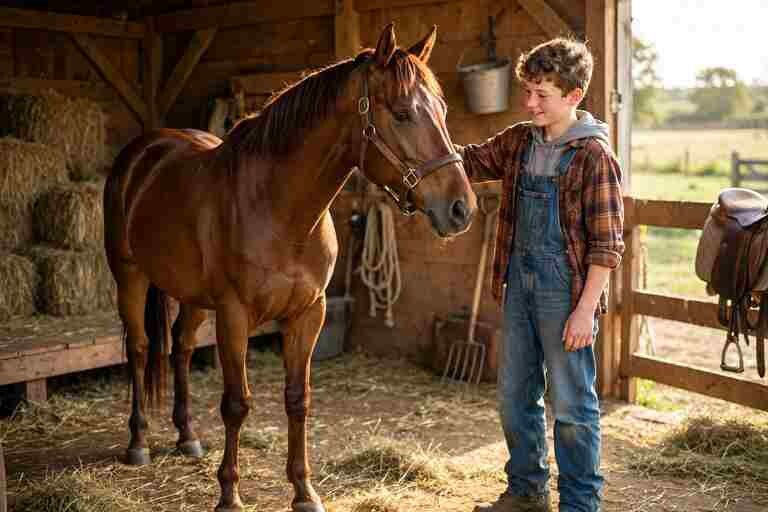
Daily grooming isn't just cosmetic. Brushing removes dirt that could rub into sores under tack, and it gives you a chance to spot cuts, swelling, or ticks early.
A basic grooming kit includes a curry comb, a stiff brush, a soft brush, a mane and tail comb, and a hoof pick. Pick out each hoof daily, checking for embedded stones, thrush (a foul smell is the giveaway), or cracks.
Farrier visits every 6-8 weeks keep hooves balanced, whether or not the horse wears shoes. Skipping visits doesn't save money in the long run — overgrown or cracked hooves often lead to lameness, which costs far more to treat.
First-Time Horse Owner Checklist
Here's a quick recap before you bring a horse home:
- Stable or livery arrangement confirmed, with adequate ventilation and space
- Vet and farrier contacts saved, with at least one emergency number
- Hay supplier lined up, with a plan for the first 2-3 weeks
- Basic grooming kit and a hoof pick
- Fencing checked and secured
- Vaccination and deworming schedule discussed with a vet
- A companion animal or plan to prevent isolation stress
- Realistic monthly budget worked out in advance
Frequently Asked Questions
What if I can't afford a private stable for my horse?
Many beginners board at a livery yard instead of building their own setup. It costs a monthly fee, but often includes feed and turnout, which can work out cheaper than starting from scratch on your own land.
What do I do if my horse won't eat its feed?
Check for dental pain, mouth sores, or recent stress like a move or new pasture-mate first. If the horse skips more than one full feed or seems dull, call your vet rather than waiting to see if it passes.
How do I fix a horse that keeps pulling shoes off?
This is usually a farrier-timing or footing issue. Try shortening the gap between farrier visits to 4-5 weeks, and check turnout areas for deep mud or uneven ground that can catch and pull at a shoe.
What if I've never handled a horse before and I'm nervous?
That's a reasonable way to feel, and it's smart to be cautious around a 1,000-pound animal. Take a few lessons at a local riding school before buying, and ask an experienced handler to walk you through leading, tying, and grooming until it feels routine.
None of this is complicated once it becomes habit, but it does take a few months to settle into a rhythm — expect some rough days early on. If you want more guides like this one, browse the rest of the Pet Age Calculator blog for other beginner pet care basics, including tips on cleaning a dog's teeth without brushing if you're managing more than one animal at home.