How to Clean Dog Teeth Without Brushing (Using Gels & More)
My neighbor's Labrador, a dog named Cooper, used to turn into a crocodile the second a toothbrush came near his face. Jaws clamped, paws braced against the kitchen floor, the whole routine. She tried for three weeks straight before giving up entirely. That's the reality for a huge number of dog owners, and it's exactly why this guide exists.
Brushing is still the gold standard for a dog's mouth, according to most veterinary dental specialists. But "gold standard" doesn't help much if it never actually happens. If you've landed here from our pet age calculator wondering whether your dog's dental health matches its age on paper, you're already asking the right question. This guide walks through what actually works when brushing isn't on the table: enzymatic gels, cleaning powders, chews, water additives, and a few habits that add up faster than people expect.
Why Traditional Brushing Fails Most Pet Owners
Veterinary surveys keep landing on the same number: somewhere around 2% of dog owners brush daily. Everyone else falls somewhere between "meant to" and "never tried." It's not laziness so much as logistics. A dog has to accept a stranger-feeling object in its mouth, hold still for two minutes, and trust that nothing bad is about to happen.
Dental disease doesn't wait for that trust to build. By age three, most dogs already show some sign of gum disease or tartar buildup. Left alone, plaque hardens into tartar within about 36 hours, and tartar is where bacteria really set up shop, sometimes working their way toward the bloodstream through inflamed gum tissue.
None of that means brushing is pointless to attempt. It means owners need a realistic backup plan, and honestly, a combination plan tends to outperform any single method used alone.
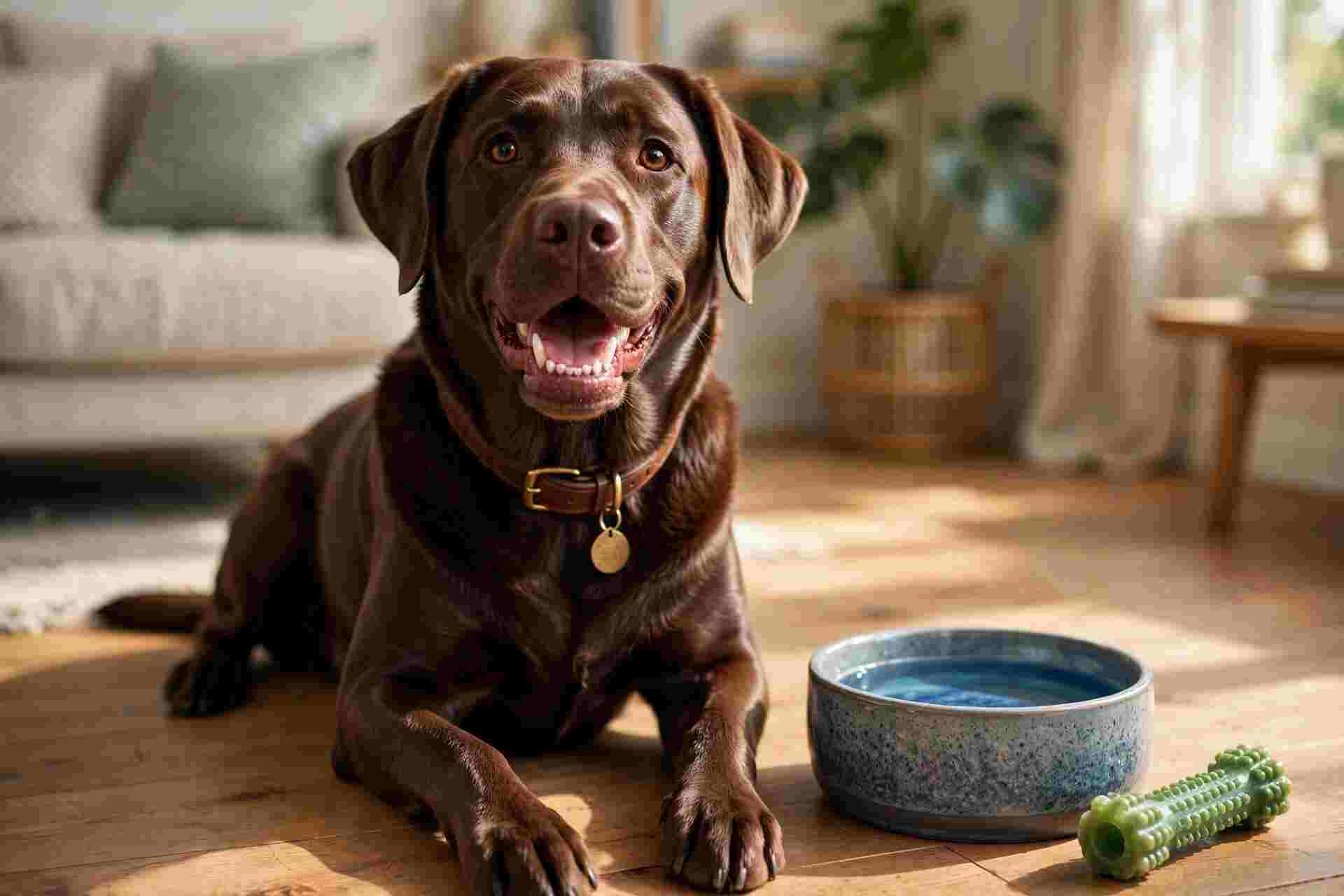
How to Remove Plaque from Dog Teeth Naturally
Natural plaque removal usually comes down to mechanical action, texture, and the right kind of chewing motion. A few options hold up well under actual veterinary scrutiny, not just marketing copy.
- Raw carrots and celery sticks, given cold from the fridge, create a scraping motion against the tooth surface as the dog gnaws through the fiber.
- Coconut oil, rubbed sparingly along the gumline a few times a week, has mild antibacterial properties, though the research on dogs specifically is still thin.
- Raw meaty bones, always supervised and sized so the dog can't swallow them whole, provide genuine abrasive cleaning, though vets are split on the splinter risk with certain bone types.
- Parsley, chopped finely into meals, does more for breath than plaque, but it's a cheap and safe addition either way.
None of these fully substitutes for professional cleaning under anesthesia if a dog already has heavy tartar. Think of natural methods as prevention and maintenance, not a cure for existing disease. If your dog's breath has already gone from "dog breath" to something closer to rot, a vet visit should come before any home routine.
If you're the type who tracks developmental stages closely, the same instinct that led you to our puppy crate-training guide during the early weeks applies here too. Catching dental habits early, around four to six months when adult teeth come in, saves a lot of trouble later.
Dog Teeth Cleaning Powder vs Gel: Which One Wins?
This is the question that comes up most in comment sections, and the honest answer is: it depends on the dog.
| Feature | Dental Powder | Dental Gel |
|---|---|---|
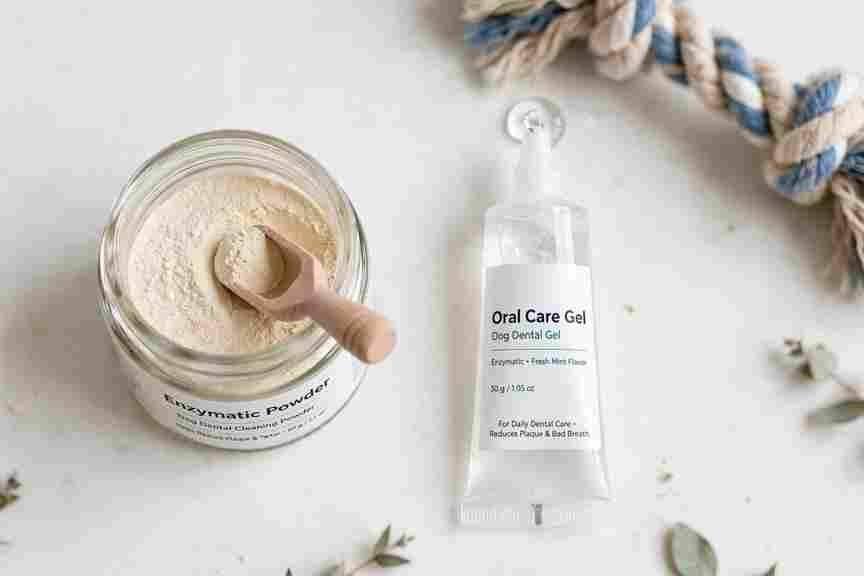
| Application | Sprinkled over food, no mouth handling needed | Applied directly to gums and teeth with a finger or applicator |
| Speed of results | Gradual, tied to digestion and saliva exposure | Faster contact with existing plaque |
| Best for | Nervous dogs, cats sharing the household, picky eaters (mixed into wet food) | Dogs tolerant of face handling, targeted problem spots |
| Common active ingredients | Enzymes, seaweed extract, probiotics | Enzymes, chlorhexidine (vet-recommended strength), zinc gluconate |
Enzymatic formulas in both categories usually rely on glucose oxidase and lactoperoxidase, enzymes that occur naturally in saliva and work by disrupting the biofilm bacteria build on tooth surfaces. Chlorhexidine gels are more clinical in strength and should generally be a vet's call, especially for dogs with existing gum inflammation, since overuse can cause staining.
My own rough rule after talking to a few groomers and one very patient vet tech: gel for dogs who'll let you touch their mouth, powder for dogs who won't. Some owners rotate both across the week, which isn't a bad compromise if the budget allows it.
Can Dental Chews Replace Brushing for Dogs?
Short answer: not fully, and any brand claiming otherwise is stretching the truth a little.
Chews work through a mix of mechanical abrasion and, in some formulations, enzymatic coatings that dissolve as the dog gnaws. The Veterinary Oral Health Council (VOHC) seal is the closest thing to a trustworthy signal here — products carrying it have gone through actual plaque and tartar reduction trials, unlike most shelf products that just say "vet recommended" without backing.
Where chews fall short is depth. They clean the crown of the tooth reasonably well but rarely touch what's happening at the gumline, which is exactly where periodontal disease starts. A dog can have a chew-clean smile on the surface and still be developing pockets of infection below it.
Want to understand your pet even better?
Explore more science-backed pet guides and tools on Pet Age Calculator.
Visit Pet Age CalculatorFor dogs who chew through anything in under a minute, thickness and density matter more than flavor. A few practical notes:
- Look for chews rated specifically for "aggressive chewers" rather than the standard line from the same brand.
- Supervise the last third of any chew, since that's when small pieces are most likely to break off and get swallowed.
- Rotate chew types every few weeks so the dog doesn't lose interest and go back to ignoring dental care altogether.
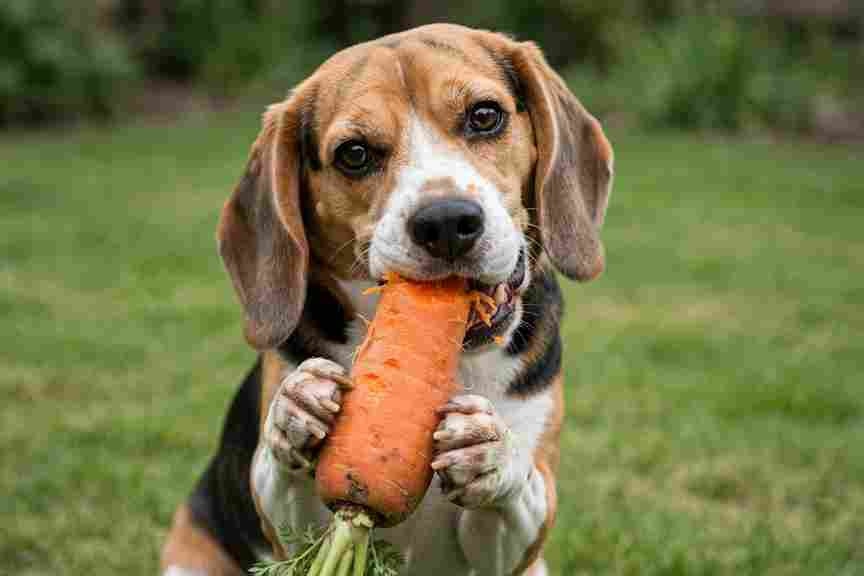
Water Additives and Breath Upgrades
Water additives are probably the lowest-effort option on this whole list, and for busy households, that's exactly the point. A capful goes into the water bowl daily, and the dog does the rest just by drinking normally.
Look for these ingredients when comparing bottles, since they show up most often in formulas with actual clinical backing:
- Xylitol-free formulations only — plain xylitol is toxic to dogs even in small amounts, so double-check every label.
- Chlorhexidine gluconate at low, maintenance-level concentrations for ongoing bacterial control.
- Green tea extract, included in a few premium formulas for its mild antibacterial effect.
- Grapefruit seed extract, though the evidence here leans more anecdotal than clinical.
On how to freshen dog breath without brushing more generally, water additives handle the bacterial side, but diet plays a role too. Wet food tends to leave more residue on teeth than dry kibble, so a dog eating mostly wet food may need extra help elsewhere in this list to keep breath manageable. Some owners also swear by a small spoon of plain, unsweetened yogurt, which won't clean teeth but does seem to calm digestive-related breath issues in a handful of cases.
It won't fix everything overnight. Give any water additive routine about two to three weeks before judging whether it's making a real difference, since bacterial buildup that took months to form doesn't reverse in days.
Quick Recap Table
| Method | Effort Level | Best Use Case |
|---|---|---|
| Enzymatic Gel | Medium | Dogs that tolerate mouth handling, targeted plaque spots |
| Dental Powder | Low | Nervous or resistant dogs, mixed into food |
| Dental Chews | Low | Daily maintenance alongside another method |
| Water Additives | Very Low | Busy households, general bacterial upkeep |
| Raw Veggies/Bones | Low | Supervised natural abrasion, prevention |
Frequently Asked Questions
What are the signs of advanced periodontal disease in dogs?
Persistent bad breath that doesn't fade after eating, red or bleeding gums, visible tartar along the gumline, loose teeth, and a dog favoring one side of its mouth while chewing are the clearest warning signs. Pawing at the face repeatedly is also worth mentioning to a vet.
Can dental chews really replace brushing for dogs?
Not completely. They reduce surface plaque through chewing friction but rarely reach below the gumline, which is where the more serious disease process actually begins.
What are safe dental alternatives for aggressive chewers?
Dense rubber dental toys built for heavy chewers, supervised raw meaty bones, and enzymatic gels or water additives that don't depend on gnawing tend to work best. Skip antlers, cooked bones, and anything harder than the dog's own enamel.
Is dog teeth cleaning powder better than gel?
Neither wins outright. Powder suits dogs who won't tolerate mouth handling, while gel gets faster direct contact with existing plaque on dogs who will.
How often should I use a dental gel or powder instead of brushing?
Daily is ideal for enzymatic products, since they work through continuous exposure rather than one-time scrubbing. Missing a day here and there won't undo the routine, but missing weeks at a time will.
None of this replaces a professional dental check-up when something looks off, and if you're curious how dental health tends to track against age across different animals, our guides on parrot lifespan by species and average dairy cow lifespan cover some surprisingly similar patterns in how oral and overall health interact. For more guides like this one, browse the full Pet Age Calculator blog.